Many employees think Self Assessment is only for the self-employed, but that's not always true.
Even if you pay tax through PAYE (Pay As You Earn), certain situations mean you still need to file a return. Clear guidance from us will ensure you meet the rules and avoid the stress, penalties, and deadlines that catch many people out.
Here's a Solution to Save Money
In January 2024, HMRC reported that over 1.1 million taxpayers missed the 31st of January deadline, facing automatic £100 late filing penalties.
The easiest way for you to save money and avoid penalties is to clarify your status early. If you have extra income outside of your regular job, certain investments, or specific financial circumstances, you may need to complete a Self Assessment tax return even if your main earnings are taxed at source by your employer.
Identifying this before HMRC does is critical - it can save you late filing fees, interest charges, and even reputational headaches if you work in a regulated profession.
What's the Problem?
The main problem is confusion. Many employees think Self Assessment only applies to the self-employed, landlords, or business owners. In reality, the system casts a much wider net. For instance:
If you earn more than £150,000, you'll usually need to file, regardless of how you're paid.
If you earn untaxed income - such as from freelance work, rental property, dividends, or foreign investments - you may be required to report it.
If you receive child benefit but your or your partner's income exceeds £50,000, HMRC expects you to file in order to repay the High-Income Child Benefit Charge.
Even claiming certain expenses or tax reliefs can trigger the need for a return.
The challenge is that HMRC doesn't always send out a direct notice, especially if your circumstances have changed. You are legally responsible for knowing when you must file. If you miss it, HMRC can apply penalties regardless of whether you "knew" or not. HMRC issues tens of millions of pounds in penalties each year due to late filing and payment - avoidable with proper guidance. Will you be one of the people struck by the penalties?
Implications That Bring It to Life
Let's consider a few examples to illustrate why this matters:
1. The High Earner
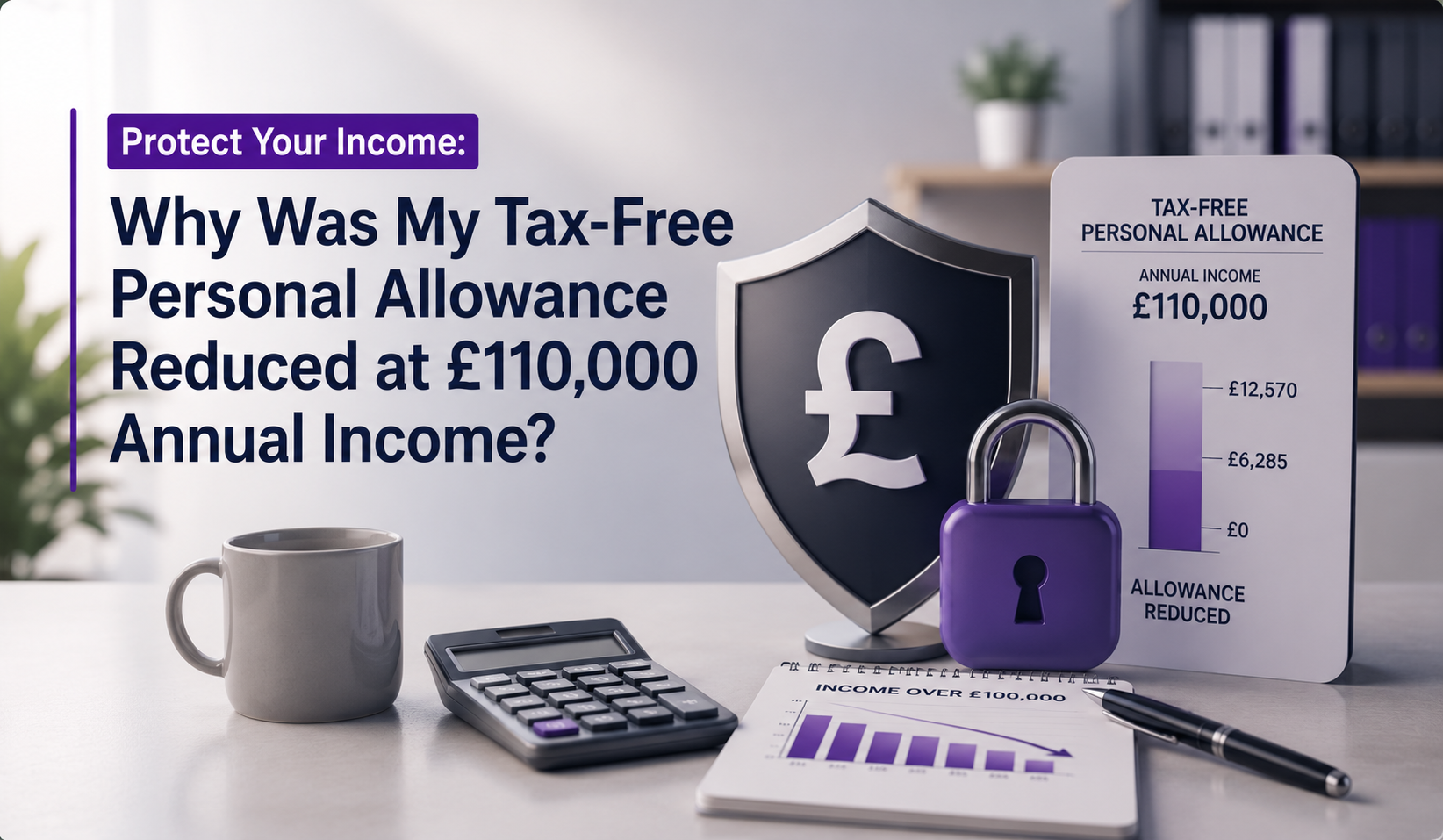
Sarah earns £115,000 in her corporate role. Her employer deducts tax through PAYE, but because she's crossed the £100,000 threshold, she's required to file a return. She doesn't realise this and assumes her employer takes care of everything.
The following year, HMRC issues her a late filing penalty plus interest on underpaid tax. What could have been a straightforward return becomes a stressful and costly oversight.
2. The Side Hustler
James works full-time as a teacher but also tutors students privately in the evenings. He earns an extra £6,000 from tutoring in one year. Since that income isn't taxed at source, it must be reported via Self Assessment.
If James ignores this, HMRC could eventually catch up through digital checks and demand back taxes plus penalties.
3. The Parent
David and his partner claim child benefit. David earns £60,000. This triggers the High-Income Child Benefit Charge, meaning he has to repay some or all of the benefit through Self Assessment.
If he doesn't file, he risks HMRC demanding repayment with additional penalties.
4. The Investor
Maria invests in shares and earns dividends above the annual allowance. She also sells some shares, making a capital gain over the threshold. Even though her salary is taxed under PAYE, she needs to report this investment income and gains via Self Assessment.
These examples highlight the breadth of scenarios where an employed person may still need to engage with the system. Ignoring or misunderstanding the rules can lead to stress, time-consuming correspondence with HMRC, and unnecessary financial penalties.
Possible Solutions
The good news is that there are clear steps employees can take to avoid these pitfalls:
1. Understand the Criteria
HMRC provides a list of circumstances where you must file a return. Familiarising yourself with this guidance is the first step. Key triggers include:
Income over £150,000 (this applies even if all your income is taxed through PAYE, as HMRC requires a reconciliation of your allowances and reliefs)
Untaxed income above £1,000 (freelance or consulting work, rental income from property, income from tips or commission, foreign income or overseas assets even if tax has already been paid abroad)
Dividend income exceeding the allowance
Capital gains over the annual exemption
Receiving child benefit when income exceeds £50,000 (around 600,000 families are affected by the High-Income Child Benefit Charge annually, with many not realising they must register for Self Assessment to repay it)
Being a company director (with some exceptions)
2. Review Your Situation Annually
Employees should review their financial situation annually, especially if they've taken on side income, investments, or had a salary increase.
3. Register Early
If you realise you need to file, don't wait until the deadline. You must register for Self Assessment with HMRC by the 5th of October following the end of the tax year. Missing this date can cause complications when you try to submit your return later.
4. Keep Good Records
Collecting documentation throughout the year is far easier than scrambling at the last minute. Save payslips, bank statements, dividend vouchers, rental agreements, and receipts for deductible expenses. Good recordkeeping also ensures you don't miss out on legitimate tax reliefs.
5. Seek Professional Help From Us
Many employees turn to our accountants to take the stress out of Self Assessment. Our professionals can:
Confirm whether you actually need to file
Ensure you claim all eligible reliefs
Prevent costly mistakes
File on your behalf, saving time and hassle
The cost of advice is often far less than the penalties or overpaid tax you might face otherwise.
6. Plan for Payments
Filing a tax return often means you'll need to make a balancing payment by the 31st of January. In some cases, you may also have to make "payments on account" for the following year. Setting aside funds in advance prevents cashflow surprises.
What This Means for You
While some employees never need to think about Self Assessment, a significant number do - often without realising it until it's too late. The system isn't limited to the self-employed; it applies to anyone with untaxed income, certain benefits, or higher earnings.
Your problem is that HMRC expects you to know when the rules apply, and ignorance doesn't excuse penalties. By understanding the criteria, reviewing your finances annually, and seeking advice when needed, you can avoid unnecessary fines and even identify opportunities to claim back tax.
Ultimately, Self Assessment isn't just a compliance exercise - it's a chance to take control of your wider financial picture.
If you're unsure whether you need to file, don't leave it to chance. Check with us now, ask for help if necessary, and save yourself both money and stress down the line.